Ink, Staples, and Attitude: Inside NYC's Exploding Zine Scene
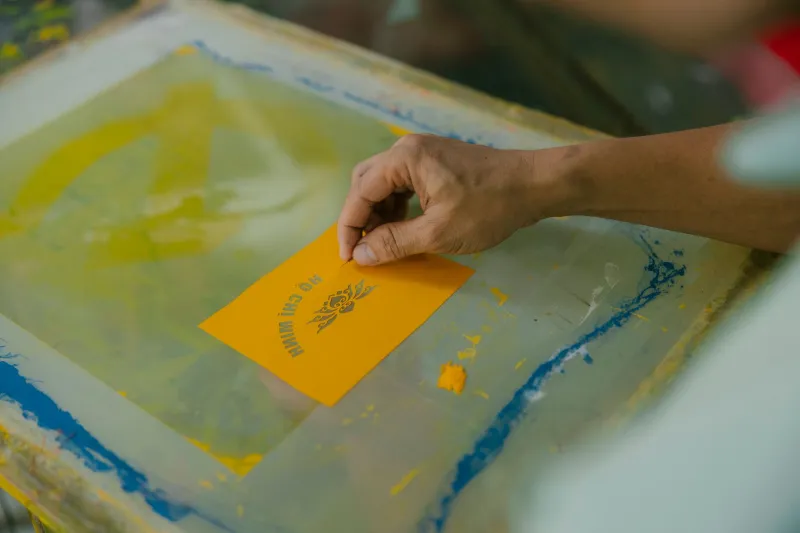
Somewhere in Bushwick, a 24-year-old named Dara is crouched over a secondhand Risograph at 1 a.m., running off the 47th copy of her latest zine — a 16-page meditation on Caribbean hair salons in Crown Heights, told through hand-lettered text and blurry disposable camera photos. She'll sell most of them at a zine fair next weekend. The rest she'll leave in laundromats, bodegas, and the back pockets of friends.
"I could post this on Instagram," she says, not looking up from the machine. "But then it's just content. This is something you hold."
That distinction — between content and object, between scrolling and holding — is at the heart of what's driving New York City's zine renaissance. In a media landscape dominated by algorithms, engagement metrics, and the relentless churn of digital publishing, an increasingly passionate cohort of young New Yorkers is reaching for something older, slower, and a whole lot more satisfying.
What's Old Is New Again (And It Was Always Cool)
Zines — self-published, small-circulation print works that have historically lived outside the mainstream — aren't exactly a new invention. They've been around in various forms since the early 20th century, exploding into cultural consciousness through the punk scenes of the '70s and the riot grrrl movement of the '90s. But the current moment feels different. More intentional. More urgent.
"There's a real hunger for things that feel handmade and human," says Marcus, who co-runs a zine distro out of a shared studio space in Ridgewood, Queens. His operation — which he runs alongside his day job as a school librarian — distributes work from over 60 NYC-based creators to independent bookstores, coffee shops, and record stores across the five boroughs. "People are exhausted by the internet. They want something they can dog-ear."
The topics being tackled in these pages are as wide-ranging as the city itself. Sports fandom and grief. Queer nightlife in the Bronx. The experience of aging out of the foster care system in New York. Recipes from grandmothers who never wrote anything down. Subway encounters rendered in scratchy illustration. Poetry that would never survive the comment section.
The Fairs That Built the Community
If you want to understand how this scene actually functions, show up to one of the city's zine fairs. Events like the NYC Art Book Fair at MoMA PS1, the Brooklyn Zine Fest, and smaller neighborhood-level pop-ups happening in school gyms and gallery back rooms have become genuine gathering points — part marketplace, part town hall, part party.
Brooklyn Zine Fest, which has been running for over a decade, regularly draws hundreds of attendees over a single weekend. Tables overflow with hand-bound booklets, photocopied comics, poetry chapbooks, and political screeds. The vibe is somewhere between a flea market and a basement show — casual, a little chaotic, and buzzing with the specific energy of people who are really, genuinely excited about what they're making.
"You can sell out of a print run in a few hours," says Tomás, a graphic novelist who pivoted to zine-making during the pandemic and never looked back. "And you're talking to people face to face. You know exactly who's reading your work. That feedback loop is incredible."
For many creators, these fairs are also where community gets built. Collaborations get hatched over folding tables. New zine makers learn from veterans. People who might never cross paths in their day-to-day New York lives end up in deep conversation about craft, politics, and what it means to make something without asking permission.
Analog as Resistance
There's an explicitly political dimension to a lot of this work that's worth naming. Zines have always been a tool for people who don't have access to traditional publishing infrastructure — and that's still very much true in 2024.
For LGBTQ+ creators, artists of color, immigrants, and people working in genres or subcultures that mainstream publishing ignores, the zine format offers something genuinely radical: total control. No editor to answer to. No advertiser to placate. No platform to get deplatformed from.
"I got tired of pitching," says Yemi, who publishes a zine documenting the West African restaurant scene in the Bronx. "Tired of explaining why my community was interesting enough to write about. So I just started writing about it myself."
Her zine, now in its fifth issue, has a mailing list of over 400 people and has been featured in two university library collections. She never pitched a single editor to make that happen.
This kind of self-determination is showing up across the scene. Zines about disability justice. About mental health in communities of color. About undocumented life in New York. About the slow disappearance of small businesses in rapidly gentrifying neighborhoods. These aren't topics that reliably find homes in mainstream media — but they're finding homes in stapled, hand-folded, Riso-printed pages being passed hand to hand across the city.
The Craft Is Part of the Point
It would be a mistake to frame all of this purely as politics or protest. For a lot of NYC's zine makers, the physical act of making is just as central as the content.
There's a growing network of print shops and community studios across the boroughs that offer affordable access to Risograph printers, letterpress equipment, and bookbinding tools. Places like these have become informal hubs — part classroom, part hangout spot, part creative incubator. People come in knowing nothing and leave with a finished object in their hands.
"There's something about the limitation that frees you," says Priya, who teaches zine-making workshops out of a Gowanus studio. "You're working with one or two colors. You're thinking about how the page folds. You can't just endlessly tweak it the way you can with a digital file. At some point, you print it and it's done. It exists."
That finality — the moment a zine becomes a physical, permanent thing in the world — is something creators talk about again and again. In a digital environment where everything is editable, deletable, and subject to the whims of an algorithm, there's something almost radical about making an object that simply is.
What Comes Next
The NYC zine scene doesn't have a center. There's no institution driving it, no major label backing it, no single neighborhood that owns it. It's distributed, decentralized, and stubbornly independent — which is, honestly, exactly the point.
New fairs keep popping up. New creators keep entering the space. The tools are getting more accessible. The community is getting bigger without, somehow, losing the intimacy that makes it work.
Dara finishes her print run and holds up a copy of her zine, still warm from the machine. She fans the pages, checks the alignment, and nods.
"People say print is dead," she says. "But dead things don't smell this good."
She's got a point. Come find her at the next fair.