Beyond the Shelf: How NYC's Indie Bookstores Became the City's Most Dangerous Rooms
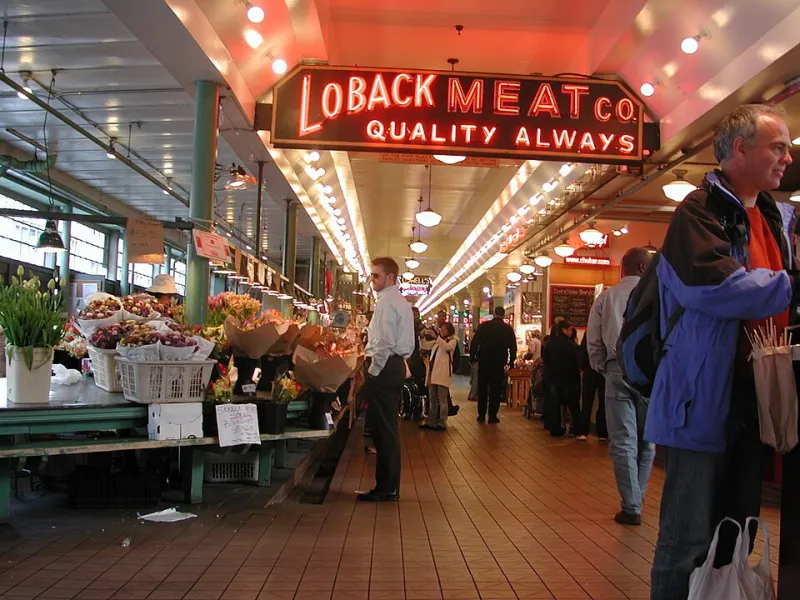
Photo: indie bookstore interior NYC community gathering reading event, via wallpapers.com
There's a bookstore in Ridgewood, Queens, where every third Thursday, the lights go down a little and someone who has never been published anywhere reads their work out loud to a room full of strangers. No bio required. No MFA credential checked at the door. Just words, a microphone that feedback-squeals if you get too close, and an audience that actually listens.
That's not a quirky side event. That is the point.
All across New York City, independent bookstores are doing something that no algorithm, no Amazon Prime delivery window, and no Barnes & Noble loyalty card can replicate. They're becoming the city's most quietly radical gathering spaces — places where literary culture isn't handed down from publishing industry gatekeepers but built from the ground up by the people who actually live here.
Retail Was Never Really the Whole Story
Ask anyone who runs one of these shops and they'll tell you the same thing: the books are almost secondary. Or rather, the books are the reason people walk in, but the community is the reason they come back.
Take Word Up Community Bookshop in Washington Heights. It's been operating as a volunteer-run nonprofit for over a decade, and it's never pretended to be anything other than a neighborhood hub first. They host ESL workshops, community meetings, and readings that draw from the Dominican, Mexican, and West African communities that define the neighborhood. The shelf space reflects that too — titles that mainstream bookstore buyers routinely overlook, authors whose publicists don't have the budget to pitch to the Times.
Or look at Molasses Books in Bushwick, which operates on a trade-and-sell model that keeps prices low enough that a broke artist can actually walk out with three paperbacks and some change. The back of the store has become an informal salon — people linger, conversations sprawl, and sometimes an impromptu reading breaks out between the poetry section and the used philosophy shelf.
These aren't accidents. They're choices. Deliberate, political, community-rooted choices about what a bookstore is for.
The Zine Insurgency Happening in Plain Sight
If you want to understand where NYC's literary underground is actually living right now, follow the zines.
Self-published, hand-stapled, photocopied into existence — zines have always been the format of people who don't wait for permission. And indie bookstores across the city have become their primary distribution network. Shops in Bed-Stuy, Astoria, and the Lower East Side are dedicating real shelf space — not a sad little corner, but actual prime real estate — to locally produced zines covering everything from tenant organizing to queer Latinx poetry to brutally honest mental health memoirs.
Some stores have gone further, hosting zine fairs that function less like craft markets and more like manifestos made physical. The vibe at these events is electric in a way that a traditional author reading rarely manages — because everyone in the room knows they're participating in something that exists outside the official literary ecosystem. There's no publicist, no publisher imprint, no advance check. Just someone who had something to say and figured out how to say it.
Collectives like Bluestockings Cooperative on the Lower East Side have been modeling this approach for years. Bluestockings operates as a worker-owned shop and activist center, and their programming reads like a syllabus for people who are done waiting for institutions to catch up. Radical thinkers, community organizers, and writers who would never get a slot at a mainstream literary festival show up here regularly. The space holds them.
Secret Reading Circles and the Anti-Algorithm
Here's something the publishing industry doesn't want to reckon with: a lot of the most exciting literary conversation in New York right now is happening in rooms that aren't being documented, reviewed, or monetized.
Word-of-mouth reading groups organized through bookstores — sometimes listed quietly on a shop's Instagram story, sometimes spread only by text chain — are creating genuine literary culture outside the reach of Goodreads ratings and BookTok trends. These aren't your grandmother's book clubs. They're showing up to tear apart the canon, center writers who've been systematically marginalized, and argue loudly about what literature is even supposed to do in 2025.
Some of these groups have started feeding back into the stores themselves, pressuring buyers to stock different titles, organizing collective orders for small-press books, even connecting local writers with independent publishers they'd never heard of. It's an ecosystem, not just a gathering.
The bookstore becomes the connective tissue — the physical space that gives all of this energy somewhere to land.
Why the Digital Age Made This More Necessary, Not Less
The easy narrative is that the internet killed the bookstore. The reality in New York is more interesting: the internet's flattening effect on culture has made physical, local, community-specific spaces more essential, not less.
When every reading recommendation comes from the same five influencers and every bestseller list reflects the same concentrated industry power, the indie bookstore becomes an act of resistance just by existing. When it actively programs for voices that don't have publicists or platforms, it becomes something closer to infrastructure.
People are hungry for that. You can feel it in how packed these events get — folding chairs pulled from back rooms, people sitting on the floor between shelves, spilling out onto sidewalks in summer. This city has always been loud and opinionated about culture, and right now a significant chunk of that energy is finding its home in these small, stubbornly independent spaces.
Show Up
If you haven't been to your neighborhood indie bookstore recently — or ever — this is your sign. Not just to buy something (though please do, because these places run on thin margins and they need your dollars). But to actually stay. Check the events calendar. Ask the person behind the counter what's been happening. Sit in on the reading series you didn't know existed.
New York's literary underground isn't hiding. It's just waiting for you to walk through the door.
Check out Word Up Community Bookshop (Washington Heights), Molasses Books (Bushwick), and Bluestockings Cooperative (Lower East Side) for upcoming events — and keep an eye on their social channels for the readings and gatherings that don't make it onto the official calendar.