Pressed for Time: The New Yorkers Turning Vinyl Into a Way of Life
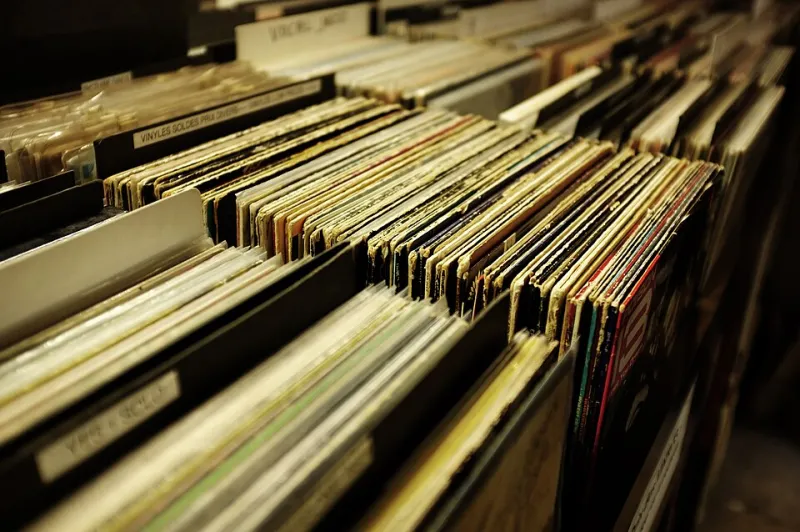
Photo: Mr Cup / Fabien Barral iammrcup, CC0, via Wikimedia Commons
There's a particular kind of quiet that happens when someone drops a needle onto a record. It's not silence exactly — it's anticipation. A soft crackle, a breath, and then music that feels like it's being played live in the room with you. In a city that's constantly optimizing, streamlining, and skipping to the next thing, that moment is borderline radical.
And yet, across all five boroughs, New Yorkers are chasing it every single weekend.
The vinyl revival isn't new news. Sales have been climbing for over a decade, and even the major labels have noticed. But what's happening in New York right now goes deeper than nostalgia or a retro aesthetic. It's a full-blown culture — one with its own gathering spots, rituals, hierarchies, and inside jokes. And it's pulling in everyone from seasoned DJs who've been digging since the '90s to 22-year-olds who just bought their first turntable after falling down a YouTube rabbit hole.
The Shops That Started It All
Ask any serious collector in the city and they'll tell you: the record shop is the church. It's where you go not just to buy, but to belong.
Places like Academy Records in the Flatiron District and Human Head Records in Ridgewood have become more than retail spaces — they're community anchors. You'll find people camped out in the aisles on a Saturday afternoon, flipping through jazz reissues or arguing about whether a particular pressing of a classic soul album is worth the price tag. Nobody's rushing. Nobody's got AirPods in. The whole vibe is deliberately, stubbornly unhurried.
But it's the newer, more unexpected spots that are really telling the story of where this culture is heading. Over in Bed-Stuy, small shops have started popping up in spaces that used to be bodegas or laundromats — places where the owners are as likely to be spinning records in-store as they are to be ringing you up. In Jackson Heights, a handful of shops cater specifically to Latin music collectors, stocking everything from vintage cumbia to rare salsa pressings that you simply cannot find on any streaming platform. In Inwood, there's a tiny spot that specializes almost exclusively in classical and film scores, run by a retired music teacher who knows the provenance of every record on his shelves.
These aren't tourist attractions. They're neighborhood institutions.
The Listening Party Is the New House Party
If the record shop is the church, then the listening party is the sermon. And NYC has quietly developed a thriving circuit of them.
Listening parties — events where a host curates a set of records and plays them for a room full of people who are actually expected to pay attention — have become one of the more interesting social formats to emerge in recent years. No DJ, no dance floor necessarily, just people sitting or standing around a sound system, listening together. It sounds almost absurdly simple. In practice, it's kind of magical.
Organizers like the folks behind Vinyl Nights Brooklyn have been hosting themed evenings — a full run-through of a classic album, or a deep dive into a specific genre or era — and consistently packing rooms. Other collectives take a more freeform approach, where guests are invited to bring their own records and play selector for a few minutes, turning the whole thing into a collaborative curation exercise.
What's striking is who's showing up. It's not exclusively older heads with decades of collecting experience. Gen Z is in the room, and they're not there ironically. They're genuinely curious, genuinely engaged, and — maybe most importantly — genuinely tired of the infinite scroll. There's something about committing to an album, side A through side B, that feels almost defiant right now. Like opting out of the attention economy for forty-five minutes.
Why Analog Hits Different in 2025
Let's be honest about what's really going on here. Streaming is convenient, and it's not going anywhere. But convenience has a cost, and a lot of music lovers are starting to feel it.
When everything is available instantly, nothing feels particularly precious. Algorithms serve you music based on what you've already heard, which means discovery starts to feel less like exploration and more like confirmation. The infinite library paradox kicks in: more access, somehow less connection.
Vinyl inverts all of that. You can only play what you own or what someone else has. You have to commit to a side. You have to be in the room. The artwork is big enough to actually look at. The liner notes are readable without a magnifying glass. The whole experience asks something of you — attention, presence, a little bit of patience — and gives something back in return.
For DJs, especially, the relationship with vinyl is almost philosophical. Plenty of working DJs in New York play digitally and have no intention of changing that. But many of them still dig for records, still maintain collections, still use the physical act of searching as a way of staying connected to the music in a way that browsing a hard drive simply doesn't replicate. Finding a record you've been hunting for six months in a bin in Flushing for four dollars hits different than adding it to a playlist.
Crate Culture as Community Building
Maybe the most underrated thing about the vinyl world in New York is how genuinely welcoming it's become — at least in the spaces that are doing it right.
Crate digging has historically had a gatekeeping problem. There's a certain type of collector who treats their knowledge like a weapon, who makes newcomers feel unwelcome, who hoards information about good spots like state secrets. That energy still exists, but it's increasingly being pushed to the margins by a generation of collectors and shop owners who understand that the culture only survives if it grows.
You see it in the free listening events that shops host specifically for first-timers. You see it in the online communities — Discord servers, Instagram accounts, local subreddits — where people share tips on upcoming sales and teach each other how to clean records or set up a turntable. You see it in the diversity of the crowds at the best events, which look a lot more like New York actually looks than the old crate-digger stereotype ever did.
The vinyl community in this city, at its best, is doing what the best New York subcultures have always done: taking something specific and turning it into a door that's open to anyone curious enough to walk through.
Find Your Groove
If you're even slightly vinyl-curious, New York is the best possible city to start exploring. Hit a shop on a Saturday morning with no agenda. Go to a listening party. Ask questions. Let someone play you something you've never heard. Buy something based on the cover art and see what happens.
The groove is there. You just have to slow down long enough to find it.